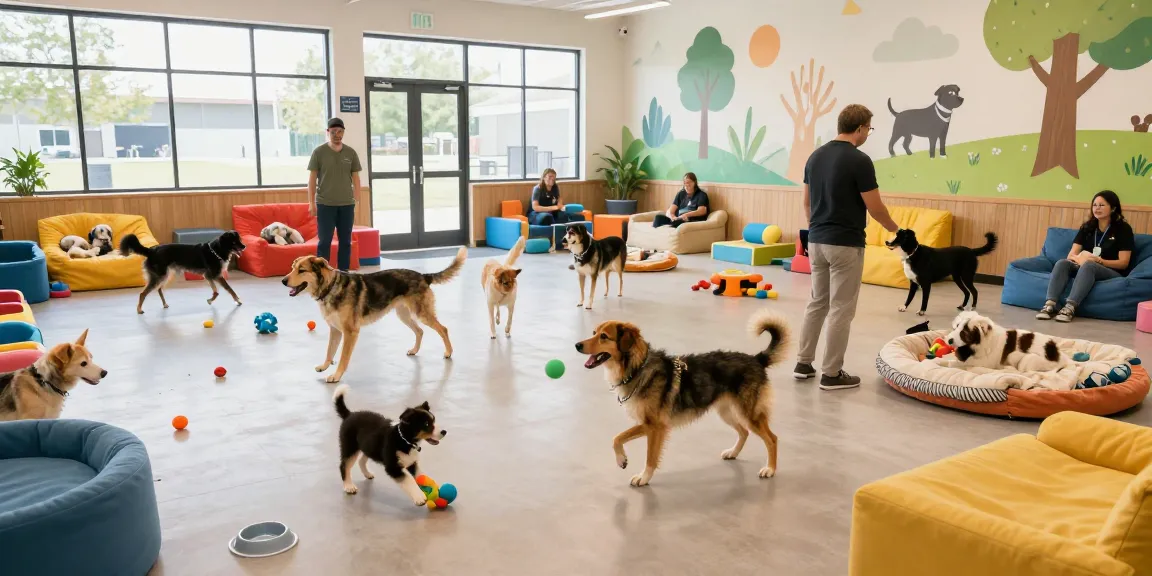
Understanding Dog Boarding Services in 2026
As the pet care industry continues to evolve, so does the way we approach Dog Boarding services. In 2026, dog boarding facilities are not just places for pets to stay temporarily; they have transformed into specialized care environments tailored to meet the needs of both pets and their owners. With increasing consumer expectations and a growing understanding of animal welfare, pet boarding has become a vital aspect of responsible pet ownership.
What is Dog Boarding and Its Importance?
Dog boarding refers to the service that allows pet owners to leave their dogs in the care of professionals while they are away. It is especially crucial for pet owners who travel frequently or are unable to care for their pets due to personal circumstances. The importance of dog boarding cannot be overstated—it offers pets a safe, engaging, and supervised environment, reducing the stress and anxiety that can accompany being away from home.
Moreover, professional dog boarding facilities provide specialized care that can cater to various breeds and temperaments. This tailored approach ensures that each dog receives attention and care appropriate to their needs, enhancing their overall experience while away from home.
Types of Dog Boarding Facilities
In 2026, the variety of dog boarding facilities available has expanded significantly. Pet owners can choose from:
- Traditional Kennels: These are standard facilities that provide basic accommodation for dogs. They often have outdoor play areas, but may not offer the personalized care that some owners prefer.
- Luxury Boarding: These facilities provide upscale amenities, such as spa treatments, private suites, and even doggy daycare options. They cater to pet owners who want their pets to have a more comfortable experience.
- Home-Style Boarding: This option involves dogs staying in a caregiver’s home, providing a family-like atmosphere. It’s particularly beneficial for dogs who may struggle with traditional kennel environments.
- Specialized Care Facilities: Some facilities focus on specific needs, such as medical boarding for pets with health issues or behavioral boarding for dogs requiring extra training and supervision.
Key Considerations for Choosing a Dog Boarding Facility
Assessing Safety and Hygiene Standards
When selecting a dog boarding facility, the first priority should always be the safety and hygiene standards of the operation. Cleanliness is essential not only for the comfort of the dogs but also for their health. Facilities should exhibit impeccable hygiene practices, including regular disinfection of sleeping and play areas, to prevent the spread of diseases. Additionally, secure fencing and proper supervision are vital to ensure that dogs cannot escape or injure themselves.
Evaluating Facility Environment and Amenities
The environment where dogs are boarded should be welcoming and engaging. Look for facilities that offer ample space to roam, both indoors and outdoors, as well as a variety of activities to keep pets stimulated. Some amenities to consider include:
- Climate-controlled indoor areas
- Enclosed outdoor play zones
- Access to toys and socialization opportunities with other dogs
- Feeding and sleeping arrangements tailored to your dog’s preferences
Staff Training and Animal Care Expertise
The knowledge and friendliness of the staff can make a significant difference in the boarding experience. Staff should be trained in animal behavior, first aid, and emergency procedures to ensure your pet’s safety. Institutions that invest in staff training often provide a higher level of care, creating a more comfortable environment for both pets and their owners.
Best Practices for Dog Boarding Operations
Creating a Comfortable and Engaging Environment
Creating a welcoming atmosphere starts with the layout of the facility. Ensure that there are separate spaces for different sizes and temperaments of dogs. This can help reduce anxiety and prevent aggressive interactions. Incorporating nature, such as greenery and outdoor spaces, can also enhance the experience, providing dogs with a sense of normalcy and comfort.
Implementing Effective Scheduling and Routine
Dogs thrive on routine, and this extends to their boarding experiences. Facilities should establish a structured daily schedule that includes meal times, play periods, and quiet times. A predictable routine helps dogs feel secure, as they know what to expect, reducing stress during their stay.
Leveraging Technology for Enhanced Care
In 2026, technology plays an integral role in enhancing dog boarding services. Many facilities utilize monitoring systems that allow owners to check in on their pets via live feeds. Some even offer mobile apps that facilitate scheduling, payments, and communication with caregivers. By leveraging technology, boarding facilities can provide peace of mind to pet owners while ensuring that their pets receive the best possible care.
Marketing Your Dog Boarding Services
Building Your Brand and Online Presence
As the competition in the dog boarding industry increases, establishing a strong online presence becomes paramount. Developing a website that features your services, pricing, and client testimonials can help attract new customers. Additionally, utilizing social media platforms to showcase daily activities, customer reviews, and promotions can enhance engagement and brand visibility.
Engaging with Local Pet Communities
Building relationships with local pet communities, such as pet clubs and veterinary clinics, can help enhance your reputation and visibility in the area. Hosting community events, such as dog training sessions or adoption drives, can further solidify your standing as a trusted resource for dog care.
Utilizing Customer Reviews and Testimonials
Positive reviews from satisfied customers can significantly impact your business. Encourage clients to leave feedback on relevant platforms, and showcase these testimonials on your website and promotional materials. This social proof not only builds trust with potential customers but also highlights your commitment to quality care.
Future Trends in Dog Boarding
Innovations in Dog Boarding Technology
Emerging technologies in 2026 are reshaping the dog boarding landscape. Facilities are increasingly adopting artificial intelligence to monitor and analyze dog behavior, ensuring that care can be customized based on real-time data. Additionally, the use of virtual consultations allows pet owners to communicate with staff and veterinary professionals remotely, providing convenience and peace of mind.
Sustainable Practices in Pet Care Facilities
As environmental awareness grows, many dog boarding facilities are taking steps to implement sustainable practices. This includes using eco-friendly cleaning products, energy-efficient lighting, and promoting outdoor spaces that encourage natural behaviors in dogs. These practices not only appeal to environmentally conscious pet owners but also contribute to the overall well-being of the pets.
Adapting to Changing Pet Owner Expectations
In an age where pet owners are increasingly prioritizing quality care and transparency, dog boarding facilities must adapt accordingly. Offering personalized care packages, flexible booking options, and detailed reporting on pets during their stay can help meet these evolving expectations. Providing an engaging and stress-free experience is key to retaining clients and attracting new ones.
What should I look for in a dog boarding facility?
When evaluating potential boarding options, prioritize cleanliness, staff qualifications, and available amenities. Understanding the facility’s approach to care and customer policies is also essential.
How do I ensure my dog is comfortable in boarding?
To help your dog adjust, visit the facility in advance, bring familiar items from home, and discuss any specific needs or preferences with the staff to ensure a smooth transition.
What are the benefits of using a dog boarding service?
Using a dog boarding service can provide peace of mind, knowing that your pet is in a safe environment with professional care. It also offers opportunities for socialization, exercise, and mental stimulation for your dog.
How has dog boarding changed in recent years?
Recent years have seen an evolution in facilities offering more personalized care, better amenities, and a greater emphasis on pet well-being, adapting to owners’ increased expectations for their pets’ experiences.
What trends should dog boarding services follow in 2026?
In 2026, dog boarding services should continue to innovate with technology, prioritize sustainability, and focus on personalized care to meet the demands of modern pet owners.