Introduction to Bounce Castles
Bounce castles, also known as inflatable bounce houses, have become a staple of childhood celebrations, offering endless hours of safe, engaging fun. These vibrant structures not only provide entertainment but also create memories that last a lifetime. As parents and event planners explore options for children’s entertainment, they often turn to the versatility and excitement of a bounce castle to enhance their parties. In this article, we'll delve into the fascinating world of bounce castles, exploring their origins, benefits, and essential considerations for selection and maintenance.
What is a Bounce Castle?
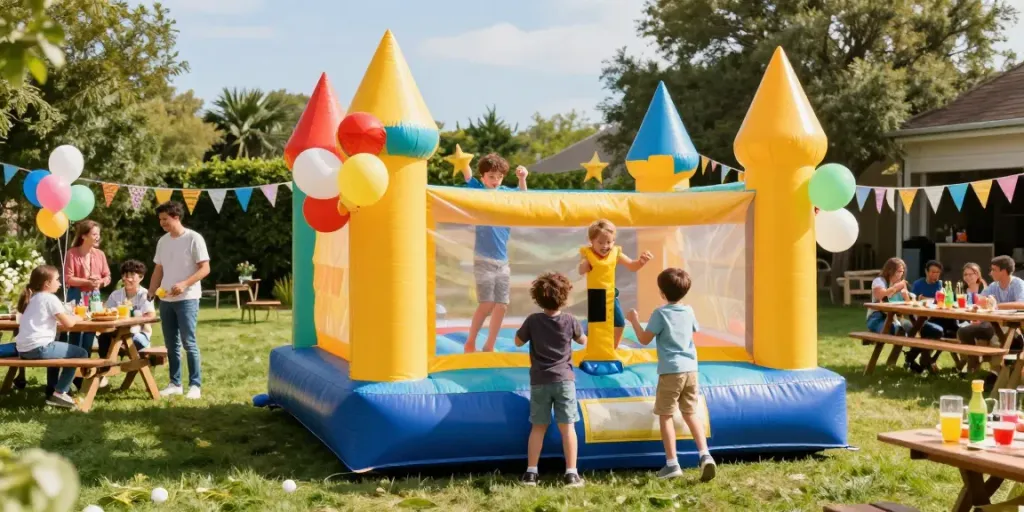
A bounce castle is an inflatable recreational structure designed for children to jump and play inside. Typically made from durable, puncture-resistant materials, these castles can be set up quickly in various settings, including backyards, parks, and event spaces. They come in various sizes and themes, from classic castles to pirates' ships and more, making them a visually appealing addition to any gathering.
History and Popularity of Bounce Castles
The history of bounce castles dates back to the late 1950s when a man named John Scurlock invented the first inflatable structure. Initially designed for use in commercial applications like fairs and amusement parks, bounce castles gained popularity in the 1980s when they became accessible for residential use. Since then, their appeal has soared, thanks to their engaging designs and the physical activity they promote, and they have become essential attractions at birthday parties, family reunions, and community events.
Benefits of Bounce Castles for Children's Events
Bounce castles offer numerous benefits that enhance children's events. They encourage physical activity, enabling children to expend energy in a safe environment. This exercise is crucial for healthy development and combatting childhood obesity. Furthermore, bounce castles foster socialization, as children engage in cooperative play, develop friendships, and learn sharing and teamwork skills. Lastly, these inflatable structures add a festive atmosphere to any event, providing visual appeal and a focal point for activities.
Choosing the Right Bounce Castle
When selecting a bounce castle for an event, several factors should be considered to ensure the most enjoyable experience. The size of the bounce castle should match the space available while accommodating the number of children expected to play. Additionally, the theme of the castle can enhance the overall atmosphere, especially if it aligns with the event's theme. Most importantly, safety features must be prioritized to offer parents peace of mind.
Factors to Consider When Selecting a Bounce Castle
- Space Availability: Measure the area where the bounce castle will be set up to ensure it fits comfortably without obstructions.
- Capacity: Determine how many children will use the castle at once and select a size accordingly; larger bounce castles can accommodate more kids.
- Age Appropriateness: Choose a bounce castle that suits the age range of the children attending to enhance safety and enjoyment.
Size, Theme, and Safety Features Explained
Size is essential in ensuring safety; a castle that’s too small may lead to overcrowding, while a castle that's too large for the space can pose risks. Themes range from enchanted castles and sports arenas to pop culture icons, appealing to children’s interests. Safety features, such as reinforced seams, mesh sides for ventilation, and padded corners, are critical. Additionally, ensure the bounce castle is anchored correctly to withstand wind and playful jumps.
Comparative Analysis of Bounce Castle Options
When comparing bounce castles, consider those designed for commercial use, as they often have sturdier materials and more safety features than residential models. For example, commercial-grade bounce castles may use thicker vinyl and are built to withstand repeated use, making them ideal for events where many children will be bouncing for extended periods. However, for casual home parties, residential bounce castles can be sufficient, offering cost savings while still providing enjoyment.
Planning a Bounce Castle Event
Organizing a successful event around a bounce castle requires careful planning and consideration of various elements. It's essential to set a date and choose a reliable vendor who can provide a high-quality, safe bounce castle. Additionally, considering the time of day and weather conditions will ensure a pleasant experience for all attendees.
Tips for Organizing a Successful Party
- Book Early: Bounce castles are popular; reserve your choice well in advance, especially during peak seasons.
- Set an Agenda: Create a timeline for activities to keep children engaged and manage bounce castle time effectively.
- Communicate with Parents: Inform parents about safety rules and the schedule to facilitate smooth attendance.
Essential Items to Complement Your Bounce Castle
While the bounce castle itself provides entertainment, additional items can enhance the event. Consider providing colorful decorations, themed party favors, and snacks to keep kids energized. Tables and chairs for parents allow them to supervise comfortably while enjoying the festivities. Moreover, planning games and activities around the bounce castle can maximize engagement.
Creating a Safe and Enjoyable Environment
Safety is paramount when incorporating a bounce castle into an event. Ensure that the area is free from sharp objects or hazards, and set clear rules for usage, such as limiting the number of jumpers at a time. Adult supervision is crucial to monitor activity levels and enforce safety protocols.
Maintenance and Safety of Bounce Castles
Maintaining a bounce castle is essential to ensure its longevity and safety for users. Regular maintenance practices can prevent wear and tear, helping to extend the life of the inflatable.
Regular Maintenance Guidelines for Longevity
- Clean After Each Use: Use mild soap and water to clean the surface and prevent mold buildup.
- Inspect for Damage: Regularly check for punctures or tears, and repair them immediately to prevent larger issues.
- Deflate Properly: After use, ensure the bounce castle is deflated and stored correctly to prevent damage.
Safety Protocols for Bounce Castle Use
To ensure a safe bouncing experience, set clear rules before allowing children to jump. Some effective protocols include:
- Establish a weight limit per session.
- Ensure children of similar ages and sizes play together to minimize injuries.
- Prohibit flips or rough play inside the castle.
Common Issues and How to Resolve Them
Some common issues with bounce castles include air leaks, improper anchoring, and surface hazards. For air leaks, a quick patching kit is invaluable. To address anchoring, ensure the castle is secured properly before use, and check the surface for any obstacles that may pose risks. Regular inspections are vital to catch these issues early.
Future Trends in Bounce Castle Rentals
The bounce castle rental industry is evolving, introducing new designs and technology that enhance experiences for children and event planners. As we look toward the future, several trends are emerging.
Innovative Designs and Features for 2026
Future bounce castles are expected to feature more interactive elements, such as slides, obstacle courses, and even water features for summer parties. These innovations will make bounce castles even more engaging and versatile, appealing to a broader range of events.
The Impact of Technology on Bounce Castle Experiences
Technological advancements may lead to the incorporation of augmented reality (AR) features, where children can see digital characters or themes within the bounce castle. This immersive experience not only enhances play but also creates lasting memories through unique interactions.
Predictions for the Bounce Castle Industry
Looking forward, we can expect continued growth in the bounce castle rental market as families seek unique and engaging entertainment options. Expect to see increased sustainability practices with eco-friendly materials becoming more common, as environmental consciousness grows among consumers.
What is a bouncy castle called?
Bouncy castles are often referred to by various names, including inflatable bounce houses, jumpers, or moonwalks. The terminology may vary by region, but they all refer to the same fun concept.
Why are bouncy castles so expensive?
The cost of bounce castles can be high due to the materials used, the safety features included, and the manufacturing processes. Commercial-grade bounce castles often feature durable materials designed to withstand heavy usage, contributing to their higher price point.
How much does a bounce castle cost?
The price of bounce castles varies widely based on size, theme, and whether it is for commercial or home use. Expect to pay anywhere from a few hundred to several thousand dollars, depending on the features and quality of the inflatable.
Can my 2-year-old go in a bounce house?
Most bounce houses are suitable for children ages 3 and up. However, many toddler-specific bounce castles are designed for younger children, featuring lower heights and softer bouncing surfaces for added safety.
What are the best safety practices for bounce castles?
To ensure safety while using bounce castles, enforce rules such as supervising play, setting weight and age limits, and keeping the jumping area clear of other equipment or obstacles. Regular maintenance and inspection also play crucial roles in safe use.